Gateway desk · Sorong, Papua Barat Daya
How the Sorong Desk Works
Every engagement with the Sorong Desk runs the same five steps: you message vessel basics; we return a USD structure quote; we stage authorities and supplies before your…
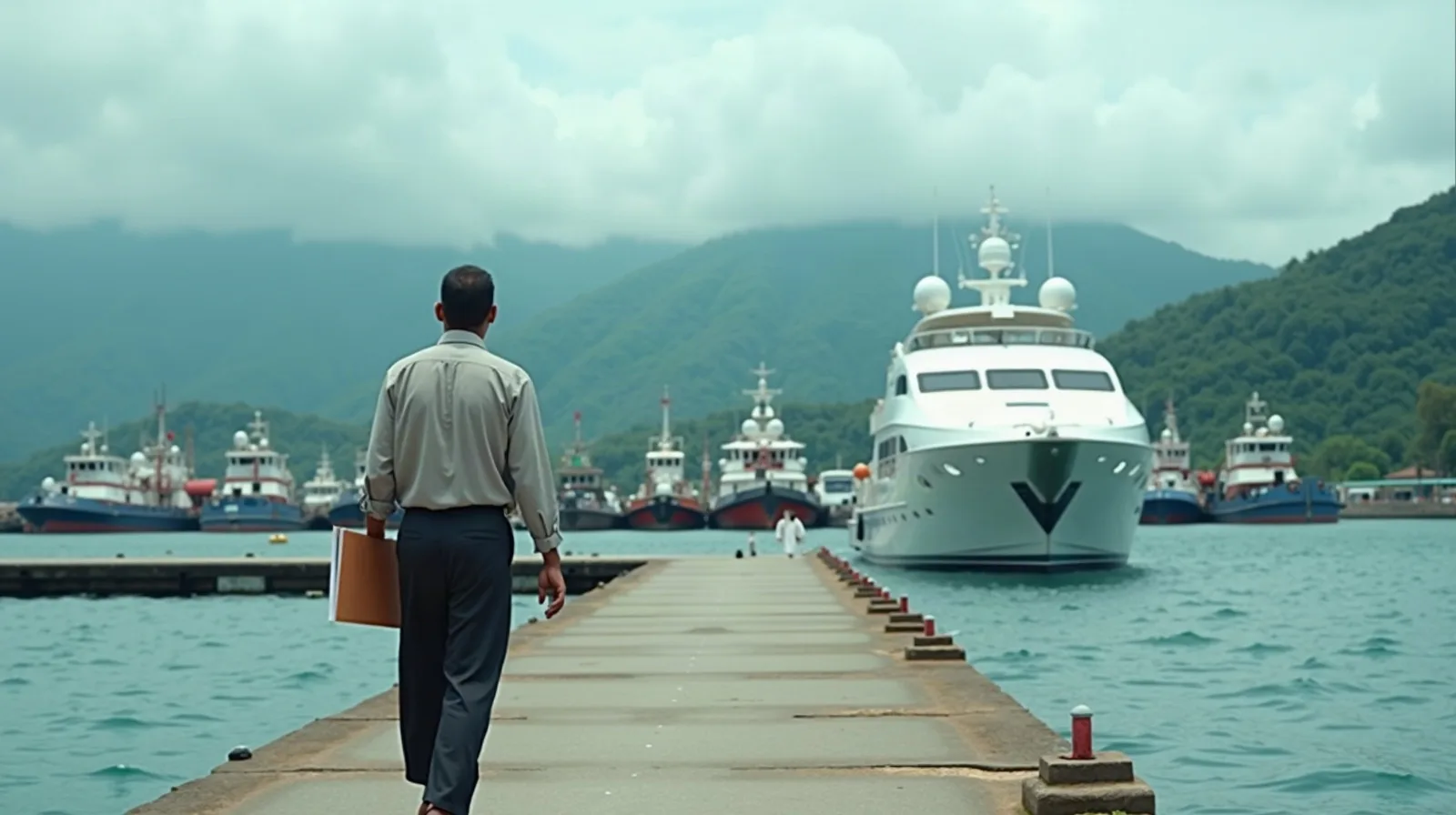
Every engagement with the Sorong Desk runs the same five steps: you message vessel basics; we return a USD structure quote; we stage authorities and supplies before your arrival; the port day executes to plan; and departure clearance closes the file with a debrief. This page walks each step — what you provide, what we return, and the realistic clocks.
Step 1 — the first message
You send: vessel name, LOA and flag, ETA Sorong, last port, crew and guest count, and what the call must achieve — clearance, fuel, water, provisioning, crew change, turnaround, or all of it. That is the whole template; it fits in one WhatsApp message. We return: confirmation the dates work, and any flags worth knowing immediately — a public holiday inside your window, a high-season squeeze on wharf slots, a paperwork wrinkle for your vessel class.
Step 2 — the USD structure quote
Within the same working day for complete enquiries, the desk returns your call’s cost anatomy across the five buckets of the costs framework: named lines, official items marked as pass-through, desk fees stated plainly. Nothing is booked yet and nothing is owed — the quote exists so you can decide with the numbers visible. Questions at this stage are free and encouraged.
Step 3 — pre-arrival staging
On your go-ahead, staging begins: authorities scheduled against your ETA, the document pre-check run and gaps flagged while they are easy to fix, fuel and water windows booked, provisioning orders locked, flights and transfers aligned. By ETA minus one day you hold a single schedule message covering every lane of your call. Staging is where the desk earns its fee — the port day merely executes what this step prepared, as the turnaround page shows hour by hour.
Step 4 — the port day
The coordinator meets the vessel or tender, walks the clearance sequence with the file, and runs the supply and people windows in parallel. You are informed at each milestone — cleared this desk, fuel landed, guests met — without having to ask. If something moves outside anyone’s control, you hear it from us first with the revised plan attached, not as an evening surprise.
Step 5 — departure and debrief
Outbound clearance is filed against your declared next port, the SPB collected, and the completed document set handed over before you sail. The debrief closes the account: every line reconciled, every pass-through receipted, and the file archived so your next call starts from this one’s record.
A worked timeline: ten days out
Day minus ten: your template message arrives; the quote goes back the same day. Minus eight: go-ahead received, document pre-check runs, two fixable gaps flagged. Minus five: fuel truck and wharf window booked, provisioning order locked, crew flights aligned with immigration timing. Minus one: the single schedule message lands aboard — authorities, windows, transfers, contacts. Day zero: the port day executes; you are informed at each milestone. Plus one: departure file closes, ledger reconciled, receipts attached. Ten quiet days of preparation, one loud efficient one — that proportion is the product.
The communication rhythm
One WhatsApp thread, one accountable coordinator, written schedules, and honest words at the first sign of a slip. That rhythm — not any individual service line — is what masters and fleet managers come back for. Email carries documents and longer briefs at bd@juaraholding.com; the thread carries everything else.
What each step asks of you
The engagement stays light on your side by design. Step one asks for seven lines of vessel basics. Step two asks only for questions and a decision. Step three asks for document scans by email and confirmations in the thread as staging locks. Step four asks the vessel to be where the schedule says, when it says. Step five asks for nothing — the debrief and reconciled ledger arrive without prompting. Masters who have run gateways where every step required chasing find the inversion notable: here, the desk chases, and the vessel sails.
Payment and contract
Quotes and desk fees are in USD. Contracts issue through PT Komodo Vessel Management, part of Juara Holding Group’s maritime ecosystem, with scope and terms in writing before work starts. Official fees follow each authority’s own settlement practice and are documented with receipts — the same discipline described across the agency page.
What we decline to promise
No weekend miracles: counters keep government hours and overtime is arranged, not assumed. No official-fee waivers: the state charges what it charges, and we pass it through with paper. No marina berths: Sorong has none, and the honest alternatives are on the berthing page. A desk that promises less and delivers it is the entire brand.
Start now
Copy the template into WhatsApp +62 811 3941 4563: vessel name / LOA / flag / ETA Sorong / last port / crew count / needs. The desk takes it from there, and the wider gateway picture is always at the Sorong gateway guide.
Frequently Asked Questions
How fast do you reply to a first enquiry?
Working-day enquiries that include complete vessel basics get a same-day USD structure reply on WhatsApp. Incomplete messages get a short list of what is missing — we would rather ask twice than quote wrong.
What if my plans change after booking?
Staged orders are adjusted against your new ETA as a matter of routine; weather moves everyone’s plans here. Genuine cancellation costs from suppliers, where they exist, are passed through transparently with receipts.
Do I get one contact person?
Yes. One coordinator owns your call end-to-end on a single WhatsApp thread — quote, staging, port day and debrief. You never chase multiple numbers to find out where your file is.
When do I pay?
Terms are agreed in the written quote before any work starts. Official fees are settled per each authority’s practice and documented with receipts in your account; desk fees follow the agreed schedule.
Further reading in this lane
Send this first
LOA and flag, ETA Sorong, last port, crew and guest count. The desk answers with the sequence, not a brochure.
WhatsApp the desk