Gateway desk · Sorong, Papua Barat Daya
Technical Support for Yachts in Sorong
Engineering attendance, spares logistics and repair coordination for yachts at Sorong: what can be fixed locally, what must be flown in, and how urgent defects are handled.
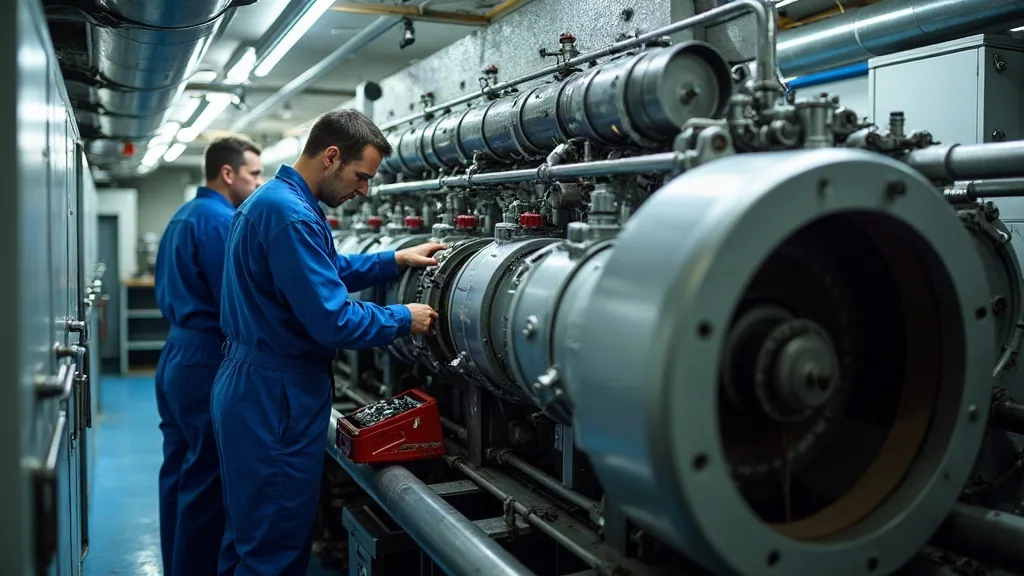
Sorong city is not a yacht repair yard — and this page will not pretend it is. What the gateway genuinely offers is in-port technical coordination: spares imported through customs via the airport, commercial-grade local trades, diver checks under the hull, and honest routing to proper yard facilities when the job is bigger than a working port can do.
Spares through customs
The most valuable technical service in Sorong is not a workshop — it is a working import lane. Parts fly into SOQ from Jakarta or Makassar, or ship by sea for heavy items, and clear customs correctly against the vessel’s status. The desk quotes the honest lead time and duty picture per item before you order, receives and checks the shipment, and runs it to the wharf or tender. The difference between a part that arrives in days and one that sits in a bonded corner for weeks is almost always paperwork done right at the start.
What local trades can genuinely do
Sorong’s trades serve a commercial port and do it competently: diesel mechanics who live on workboat engines, stick welders who work to ship standards, electricians comfortable with DC systems and starter circuits, and machine shops for simple turning and fabrication. What the city does not stock is yacht-specialist labour — watermaker technicians, marine electronics engineers, composite specialists. The desk’s method for yacht-specific problems: local hands for the physical work, your equipment supplier or builder on a call for the brains, and no pretence about which is which.
Diver services
Commercial divers handle the underwater checklist on a routine call-out basis: hull condition checks with photos and video, prop and shaft fouling cleared, anodes inspected and measured, intakes cleared, and a proper look at whatever the sounder bumped on the way in. Reports come back to the captain the same day, so a decision — sail, fix here, or route to a yard — is made on evidence.
Planning technical stops into the season
Rotation vessels do best treating Sorong technical work as scheduled maintenance windows rather than emergencies: parts ordered a rotation ahead through the import lane, the diver booked for the same alongside window as fuel, and the running fault list worked down every call instead of accumulating toward a crisis. The desk keeps a per-vessel technical file for contract operators so each call starts from the last one’s findings — quiet discipline that prevents expensive seasons.
The parts-locker strategy
The honest lesson of a remote gateway: carry your criticals. Impellers, belts, filters, injectors for your engine family, and the electronic single-points-of-failure your builder lists. Sorong’s import lane works, but a part in the locker beats a part on a Jakarta pallet every time. The desk will tell you plainly which of your fly-in requests should become locker stock for the next season.
Troubleshooting access
Sometimes the job is diagnosis, not repair: getting a technician’s eyes on a system via video from the engine room, sourcing a multimeter-competent local hand for guided checks, or simply getting reliable connectivity and power arranged so the vessel’s own crew can work through a fault with the manufacturer. The desk arranges the access and stays out of the way.
When to route to a yard
Haul-out, osmosis, shaft and rudder work, repowers and refit belong in dedicated yard facilities, and no amount of gateway optimism changes that. When a survey or a diver’s report says yard, the desk says yard — and helps sequence the vessel’s schedule, clearance status and passage plan toward the right facility rather than patching past a real problem. Clearance implications of technical stops are handled through the agency lane, and where technical work fits a full port call is shown in the gateway guide.
Consumables and the small-boat fleet
Tenders and toys generate their own technical stream: outboard servicing, fuel-line spares, trailer-grade fittings and the constant appetite for two-stroke oil and filters. Sorong’s commercial suppliers cover the workboat end of this well, and the desk keeps the running list of what is genuinely on the shelf this month. Charter vessels with a busy tender programme should hand the desk their consumables list a rotation ahead — the boring items are the ones that stop a dive day when they run out.
How technical work is quoted
Each job quotes as named lines in USD: the part and its freight and duties, the trade’s time, the diver’s call-out, the desk’s coordination fee — inside the same five-bucket structure as the costs framework. No invented tariffs, no bundle-blur, and receipts for every pass-through.
Start with the symptom
Message the desk with the symptom, the system, the part numbers if you have them, and your dates: WhatsApp +62 811 3941 4563 or bd@juaraholding.com. You get back an honest read on what Sorong can do for it, what should fly in, and what belongs to a yard — with USD numbers attached.
Frequently Asked Questions
Can I get a yacht part flown into Sorong?
Yes — SOQ airfreight from Jakarta or Makassar plus a customs lane the desk runs regularly. Lead time and duties are quoted per item before you commit, so the decision to fly a part is made with real numbers.
Is there a travel-lift or slipway for yachts in Sorong city?
Not at yacht standard. Haul-out and refit belong to dedicated yard facilities; the desk coordinates what a working port can genuinely do in the water and routes heavier work honestly instead of improvising it.
Are local mechanics used to yacht systems?
Local trades are commercial-vessel oriented: strong on diesels, welding and general mechanics, less familiar with yacht-specific electronics and systems. We combine local hands with remote guidance from your supplier and are upfront about the fit.
Can you organise an underwater hull inspection?
Yes. Commercial divers for hull checks, prop fouling, anode inspection and simple clearing jobs are a routine desk arrangement, with photos and a report to the captain before any further decision.
Further reading in this lane
Send this first
LOA and flag, ETA Sorong, last port, crew and guest count. The desk answers with the sequence, not a brochure.
WhatsApp the desk