Gateway desk · Sorong, Papua Barat Daya
Crew Change & Guest Handling in Sorong
Crew changes and guest movements at Sorong: airport meet and greet, transfers, accommodation, immigration handling, medical support and Waisai ferry coordination.
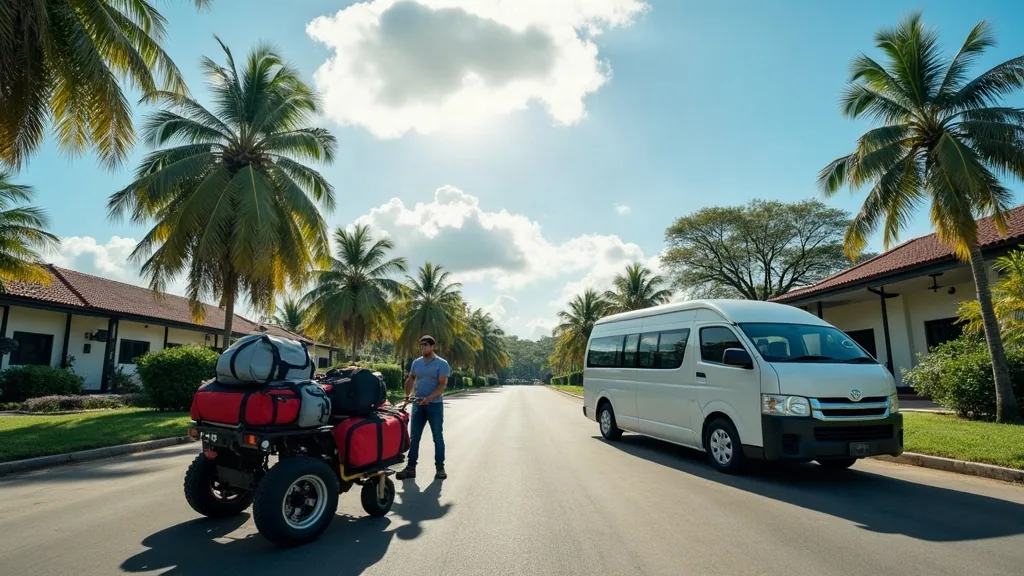
Sorong’s Domine Eduard Osok airport (SOQ) is the gateway’s crew-change and guest-turnover point: daily jets connect it to Jakarta and Makassar, and the desk meets those flights, moves people and bags between airport and wharf or waiting tender, and syncs every movement with the vessel’s immigration paperwork. Done properly, a crew change is an errand. Done casually, it strands people on the wrong side of a crew list.
Crew joining a vessel
Documents and crew-list updates
A joining crew member exists twice: as a passenger on a flight and as a name on the vessel’s crew list. Both records must agree — name spelled as the passport spells it, visa status appropriate to the role and stay, and the amendment lodged with the right timing against the vessel’s clearance status. The desk pre-checks all of it before anyone boards a plane, which is when problems are still easy to fix.
Sign-on timing versus clearance status
Whether the vessel is mid-clearance, cleared and working its supply windows, or on the eve of departure changes how a sign-on is sequenced. We time the paperwork so the human and the file arrive in the same state — the detail that separates a smooth join from a day of waiting.
After handover the real work begins: shoreside handling for vessels staging in Sorong covers crew, maintenance cadence and charter operations.
Crew leaving
Sign-offs run the same logic in reverse: the crew list amended, immigration status closed out correctly, and the flight booked with margin against the paperwork rather than hope. Where an early-morning departure follows a late clearance day, the desk arranges the room and the airport run as one plan.
Guest embarkation days
Charter turnover days are the highest-stakes version of this lane: a dozen guests, a mountain of dive luggage and a vessel on a schedule. The desk stations a driver and greeter at arrivals, runs luggage in parallel with people, and holds a delay plan for the inevitable late connection. Guests reach the gangway briefed and on time, and the vessel’s day stays on plan. On full rotations this folds into the turnaround service, and clearance interactions are handled by the agency desk.
The paperwork behind every movement
Every person who joins or leaves a vessel changes the vessel’s legal state, and the gateway’s counters notice. The desk keeps three records aligned at all times: the crew list the harbour master holds, the immigration status of each individual, and the flight manifest reality of who is physically where. When those three agree, movements take minutes; when they drift apart, a routine sign-off becomes an afternoon of explanations. The discipline is invisible when it works — which is the point.
A worked changeover
Twelve guests off, twelve on, one Tuesday. The desk stations two vehicles and a greeter at SOQ from the first arrival bank; outgoing guests travel to the airport as inbound luggage moves to the landing in parallel. A delayed Jakarta connection triggers the buffer plan — the affected pair is met separately while the main party boards on schedule. By mid-afternoon the vessel holds a complete, immigration-consistent guest list and sails on time. Nothing about the day was improvised; that is what the lane sells.
Hotels and layovers
Sorong has serviceable city hotels used routinely by crews and early-arriving guests. We book what fits the budget and the schedule and say plainly what each option is — no invented partnerships, no inflated star language. For a half-day between flight and boat, the desk suggests honest ways to spend it.
Timing against the airport
SOQ’s schedule concentrates arrivals into morning and midday banks, which is precisely when clearance counters and wharf windows are also busiest. The desk plans crew movements against all three calendars at once — flights, formalities, berth — so nobody discovers a conflict at the bottom of the gangway. Where the airport lane fits the whole gateway picture is mapped in the gateway guide.
What this lane costs
People movement is one of the five buckets in the Sorong costs framework: transfers and greeters priced per movement, rooms passed through at cost, and immigration-related items shown as named lines. Everything is quoted in USD before the first flight lands.
Emergencies and compassionate travel
Not every movement is planned. A medical case, a family emergency at home, or a crew member who must leave today are the moments this lane earns its keep: the desk finds the next viable seat, walks the immigration side at speed, and keeps the vessel’s paperwork consistent while everything else moves fast. We do not advertise miracles — flights are flights — but a desk that knows the counters and the airline offices personally shortens every hour that can be shortened, and tells the captain the honest timeline at each step.
Book a crew change
Send names as passports show them, flight numbers, the vessel’s status and any luggage notes to WhatsApp +62 811 3941 4563 or bd@juaraholding.com. The desk returns a movement plan with timings and a USD structure the same working day.
Frequently Asked Questions
How early before a crew change should we engage the desk?
As soon as flights are booked. Crew-list amendments and immigration timing work best with several days of notice, and transfers, rooms and luggage runs are easiest to arrange when nothing is urgent yet.
Can you handle a guest turnover for a charter liveaboard?
Yes. Airport meet, transfer, luggage and boarding coordination is a core lane, usually bundled into a wider turnaround plan so guests step from the arrivals hall to the gangway without an idle hour in between.
What happens if flights are delayed?
The desk re-sequences transfers and notifies the vessel immediately; embarkation-day plans carry buffers by default, so a two-hour delay is an adjustment, not a crisis. You hear the revised plan from us before you have to ask.
Do arriving crew need special visas?
Requirements depend on nationality, role aboard and how long they stay. We brief each case honestly against the current rules rather than publishing generic visa advice that goes stale on a web page.
Further reading in this lane
Send this first
LOA and flag, ETA Sorong, last port, crew and guest count. The desk answers with the sequence, not a brochure.
WhatsApp the desk