Journal · field notes from the gateway
Importing Yacht Spares Through Sorong
A spare part reaching a yacht in Sorong makes a two-stage journey: into Indonesia through a main customs gateway — Jakarta, in practice, for most international freight —…
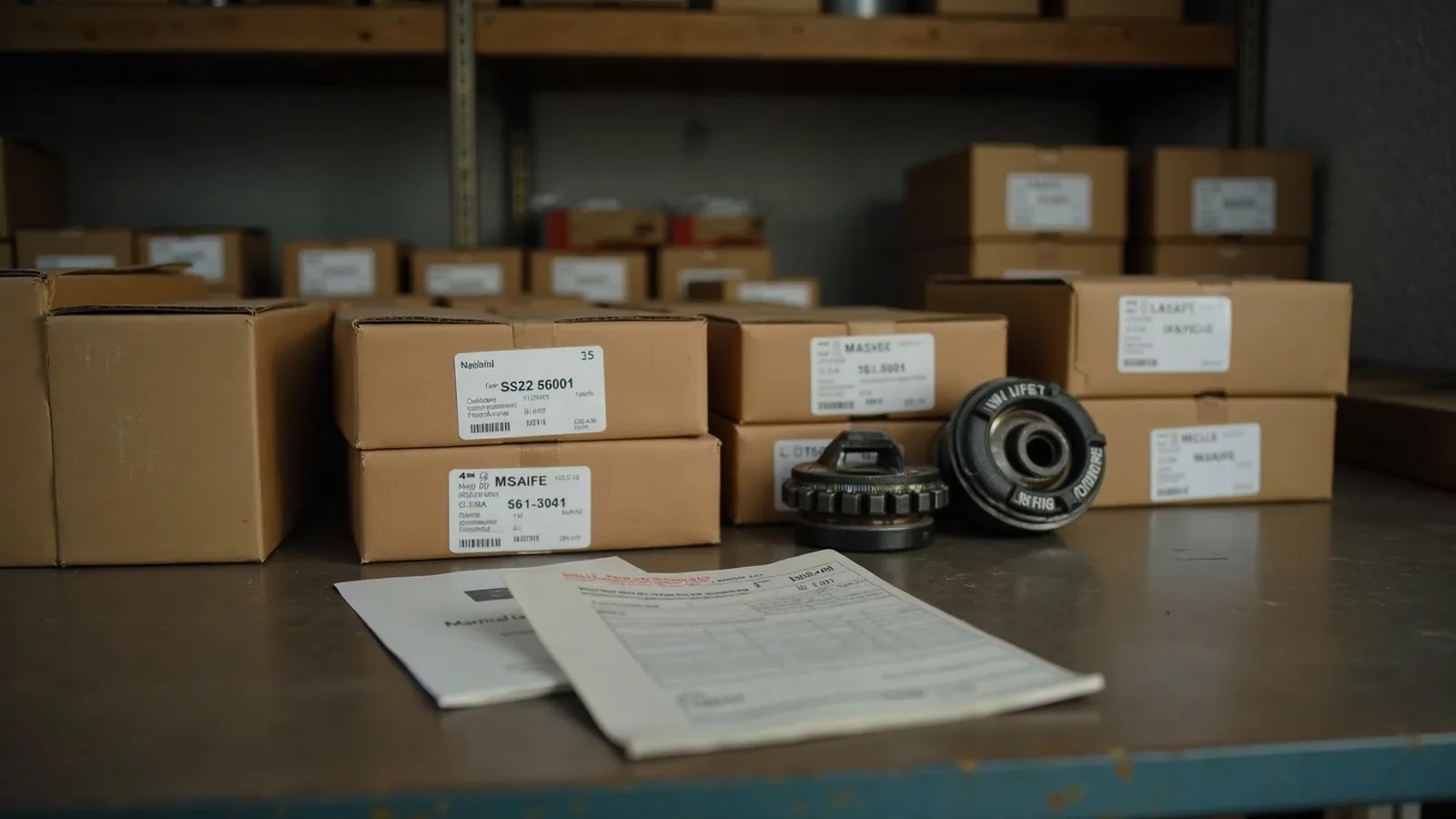
A spare part reaching a yacht in Sorong makes a two-stage journey: into Indonesia through a main customs gateway — Jakarta, in practice, for most international freight — and then east on the domestic network to SOQ or by sea. The flying is the fast part. The variance lives in customs paperwork and in whether anyone answerable is standing at the Sorong end when the box arrives. Manage those two things and eastern Indonesia stops feeling remote; ignore them and a gasket set can idle a season.
The two-stage reality
No international courier delivers door-to-gangway in Sorong. DHL, FedEx and their peers land international shipments at Indonesian gateways where customs clearance happens; the onward leg east is domestic — scheduled air freight into Domine Eduard Osok, or sea freight for the heavy and unhurried. Understanding this split matters because each stage has its own clock and its own failure modes, and the tracking number you were given only really describes the first stage.
Customs at the gateway: where time is won and lost
The vessel-in-transit concept exists in Indonesian practice, but its application is document-driven and case-by-case. What reliably works is the boring route: commercial invoice with honest values, clear description of the goods as vessel spares, the vessel’s details attached, and an experienced broker or handler at the gateway who has cleared such shipments before. Undervaluing invoices to shave duty is the false economy of the region — it invites inspection, and inspection costs weeks. The same document-consistency logic that governs your own temporary-import declaration governs the parts that follow you in.
The domestic leg east
Once cleared, a part rides the domestic network like any other freight: scheduled flights from Jakarta or Makassar into SOQ for anything that fits an aircraft, sea freight for what does not. The air leg is genuinely quick when booked properly — days, not weeks. Sea freight to Sorong is measured in weeks and is the right answer only for weight, bulk or budget. The desk’s practical rule: if the boat is waiting on it, it flies; if the boat is merely expecting it, it can float.
The consignee problem, solved
The classic eastern-Indonesia failure is not customs and not airlines — it is the last hundred metres. A box addressed to a vessel arrives at a freight office; the vessel is at anchor with no phone number the office recognises; the box waits; storage accrues; the trail goes cold. The fix is a local consignee arrangement with someone answerable: a name the freight office can call, a desk that chases the shipment daily, brief secure storage, and delivery to the wharf or tender staged with the boat. That is precisely the coordination service we quote, in USD, with the freight and official lines passed through at receipts.
Planning the urgent shipment
When the boat is down on a part: confirm the exact part number twice — the second-most expensive delay is the right box with the wrong part — choose air throughout, brief the gateway handler before the shipment leaves origin, and have the Sorong end standing by. A well-run urgent shipment from Europe or North America lands in one to two weeks. Meanwhile, be honest about what local capability can bridge: Sorong’s machine shops and the workarounds described on the technical support page keep more boats operational than owners expect, buying time for the proper part to travel properly.
Batching: the season’s affordable trick
Operators who run seasons here learn to batch: consumables, filters, impellers, belts and the predictable wear list ordered together ahead of the season, shipped as one managed consignment, cleared once and delivered once. The per-part cost collapses, and the mid-season urgent shipment becomes the exception instead of the routine. A turnaround stop is the natural delivery moment — the staging logic of the staged turnaround stop absorbs a parts delivery without adding a day.
What it costs, structurally
Three layers, each named: the freight itself at carrier rates; official charges — duty and taxes where applicable — passed through at cost with paperwork attached; and the desk’s coordination line in USD covering receiving, chasing, storage and delivery. No percentage of the part’s value, no mystery lines. The same structure-first quoting that runs through the whole structure-first cost page applies to a single solenoid or a season’s consignment alike.
Sending something now
Message the desk before the shipment leaves origin — that timing is the whole game. We confirm the consignee arrangement, brief the gateway clearance, watch the domestic leg, and stand at the Sorong end with a boat delivery planned. Vessel name, part description, origin country, and how badly the boat needs it: with those four facts we can tell you the realistic clock and the USD structure the same working day.
Frequently Asked Questions
How do yacht spares actually reach Sorong?
Domestic air freight from Jakarta or Makassar for anything urgent and reasonably sized; sea freight for heavy or bulky items with real lead time. International shipments clear Indonesian customs first at a main gateway, then ride the domestic leg east.
Can parts be sent as ‘yacht in transit’ to avoid duty?
Indonesia recognises spares-for-vessels-in-transit pathways, but treatment varies with the shipment, the paperwork and the officer’s reading of it. Plan for the formal route with honest values declared, and treat any duty relief as an outcome to be earned, not assumed.
How long does an urgent part take from Europe or the US?
Realistically: international courier to Jakarta in days, customs clearance with its own clock, then the domestic flight east. A well-run urgent shipment lands in one to two weeks; an unmanaged one can take a month. The variance is the paperwork, not the flying.
Should the part be addressed to the boat or to a local consignee?
A reachable local consignee arrangement with someone answerable at this end prevents the classic failure: a package waiting at an office no one checks, addressed to a vessel that has sailed. The desk provides exactly that answerability.
What does the desk charge for spares handling?
A named USD coordination line — receiving, chasing, storing briefly and delivering to wharf or tender — plus pass-through of freight and any official charges at cost with receipts. No percentage games on the part’s value.
Send this first
LOA and flag, ETA Sorong, last port, crew and guest count. The desk answers with the sequence, not a brochure.
WhatsApp the desk