Gateway desk · Sorong, Papua Barat Daya
Where Yachts Actually Berth or Anchor in Sorong
Where yachts and liveaboards actually berth and anchor at Sorong: commercial quays, alongside constraints, holding ground, draft limits and how alongside time is negotiated.
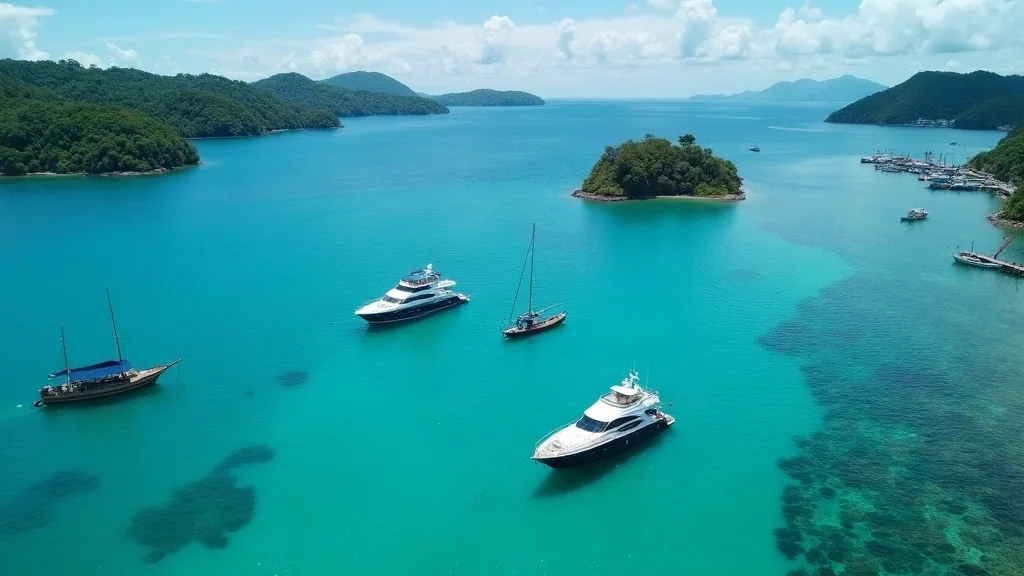
Sorong has no yacht marina and no floating dock. The real options are two: a commercial-wharf berth arranged case by case when port traffic allows, or anchoring in the roadstead off the city. This page describes both as they actually are — holding, wake, etiquette and limits — and what the desk can and cannot arrange around them.
Commercial berth liaison
When alongside is possible
Sorong’s wharves exist for cargo, ferries and government vessels. A yacht gets alongside when a wharf window opens and the port agrees — typically for fuel delivery, heavy provisioning, crew embarkation or technical work, measured in hours rather than days. The desk requests the window, handles the port liaison and tells you honestly when the answer is no.
Fender and freeboard reality
These are commercial faces built for steel hulls: high edges, truck tyres, surge from passing traffic. Bring serious fenders and boards, rig for surge, and treat the berth as an operation, not a rest. Superyachts with volume needs should read the superyacht gateway page for how alongside windows are planned at scale.
Wharf etiquette in a working port
Cargo movements outrank pleasure craft, and a wharf promise can move by hours. Crews that keep the vessel ready to shift, keep VHF watch and keep the wharf clear of gear get invited back; crews that treat a cargo face as a marina berth do not.
Anchorage notes
Holding and depths
The roadstead offers workable holding in settled conditions, with patches that vary — good scope and a properly set anchor matter more than in a cruising-guide anchorage. Depths shelve unevenly; approach on the sounder, not on assumption.
Wake, traffic and operating areas
Ferries, fishing fleets and cargo traffic move day and night, and parts of the bay are effectively local operating areas. Lying out of the traffic lanes, showing proper lights and keeping an anchor watch in squally weather are the basics of a comfortable stay.
Overnight and unattended honesty
Overnight at anchor in settled weather is reasonable. Long unattended stays are not something we recommend or dress up: this is a working port, not a hurricane hole with a harbourmaster’s eye on your boat. For between-trip layups there are managed answers — see the turnaround page or ask the desk directly.
Security and watch practice
Sorong is a normal working Indonesian port city, and normal port practice applies afloat: dinghies hoisted or locked at night, deck gear stowed, an anchor light that actually shows, and a listening watch when the fleet is moving. For vessels that must stand off for days, the desk can arrange watchman coverage and daily checks — a modest cost that converts an anxious wait into a managed one. Ask for it as a named line in the quote.
Tender landings and shore access
Practical tender landings exist and are used daily by local operators; which one is best shifts with port activity and time of day. The desk points you to the current option, arranges shore contacts, and times provisioning and luggage runs to the landing rather than making you improvise.
What the desk arranges — and cannot promise
We arrange berth requests and port liaison, anchorage guidance, watchman coordination, and the timing of fuel, water and provisioning against whichever option you hold — the supply side is detailed on the bunkering and provisioning page. We cannot promise a berth that traffic will not release, and we will not sell you a marina that does not exist. Cost logic for berth-day operations sits in the costs framework.
A worked berth day
Here is how a typical liveaboard alongside window runs when staged properly. The wharf slot is confirmed two days out against cargo schedules. The vessel weighs anchor to a pilot-style timing call, comes alongside with fenders and boards already rigged, and the fuel truck is on the face within the half hour because the delivery was booked against the same window. Water runs in parallel, provisioning lands on pallets, and departing crew step off to a transfer that was timed to the berth, not to hope. Four to six hours later the vessel is back off the wharf and the face returns to cargo. None of that is exotic — it is simply what liaison plus staging produces, every time.
Season and weather notes
The roadstead behaves differently through the year: squall lines pass, sea states shift by monsoon phase, and high-season demand from the liveaboard fleet concentrates wharf requests into the same weeks. The desk’s planning accounts for both weather and traffic — settled-window operations at anchor, and early wharf requests in the busy months. Where berthing fits the broader gateway picture is set out in the gateway guide.
Plan your lie before you arrive
Tell the desk your LOA, draft, dates and what the stop must achieve — fuel, guests, work, or a wait for weather — on WhatsApp +62 811 3941 4563 or bd@juaraholding.com, and we will come back with the realistic options for that week, in USD structure.
Frequently Asked Questions
Can a yacht go alongside in Sorong?
Sometimes — on commercial wharves, by arrangement, subject to port traffic and wharf schedules. It is a case-by-case liaison the desk negotiates, not a bookable marina berth, and we set that expectation honestly before you plan around it.
What is the holding like in the anchorage?
Generally workable in settled weather, with variable patches — but this is a commercial roadstead, so wake, traffic and local operating areas matter as much as the holding itself. Local knowledge about where to lie is most of the value.
Can I leave the boat unattended at anchor?
We do not recommend long unattended stays at anchor off Sorong. For between-trip layups, ask the desk about watchman arrangements and managed options — the honest answer depends on duration, season and the vessel.
Where do tenders land?
There are practical landing spots used daily by local operators, and the current best option shifts with port activity. The desk points you to it, arranges shore contacts, and times luggage or provisioning runs to match.
Further reading in this lane
- Anchoring Etiquette in a Working Port: Sharing Sorong Bay
- Sorong Harbour Entry by Night: Lights, AIS & Local Traffic
- Cyclone-Free, Not Weatherproof: Sorong Sea States by Month
- Anchorage and Berthing for Yachts at Sorong: Depths, Draft Limits and Safety Notes
- Opsi Sandar dan Anchorage Kapal Wisata di Sorong: Kedalaman, Draft dan Batasannya
Send this first
LOA and flag, ETA Sorong, last port, crew and guest count. The desk answers with the sequence, not a brochure.
WhatsApp the desk